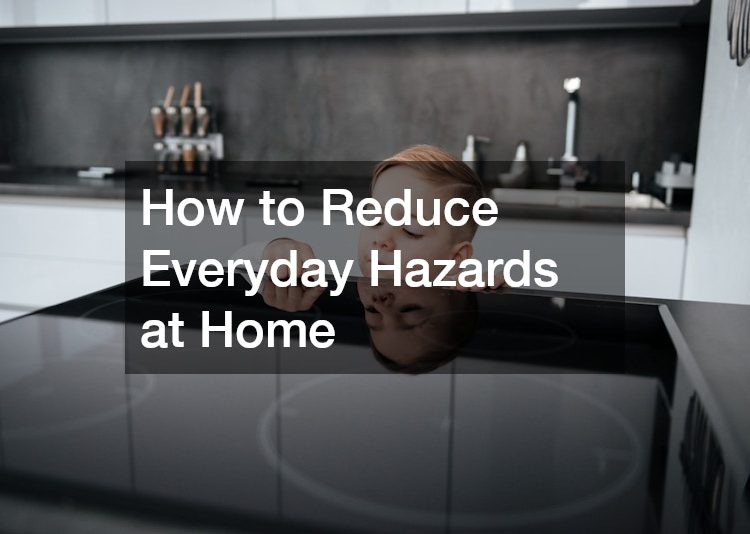
A safer home is not created in one weekend project. For parents, it usually happens through small, steady choices: noticing a loose handrail before a child grabs it, moving cleaning supplies higher before a toddler learns to open cabinets, or checking a dark walkway before winter evenings make it harder to see.
Many families think of home safety as something they do when a baby starts crawling or when a major repair becomes impossible to ignore. But as children grow, seasons change, and routines shift, the risks inside and around the home change too.
The goal is not to inspect every corner every day. The better approach is to build a safety rhythm that fits into normal family life. When parents know what to look for, they can catch small problems before they turn into stressful emergencies. That kind of awareness can also make the home feel calmer because parents are not constantly reacting to surprises.
Checking Indoor Comfort Before Weather Becomes Extreme

Temperature may not seem like a safety issue at first. Most parents think about heating and cooling in terms of comfort or energy bills. But for babies, young children, older relatives, or family members with asthma or allergies, reliable indoor comfort matters.
During hot months, a home that cannot cool properly can quickly become stressful. If one bedroom is always warmer than the rest of the house, airflow feels weak, or the system runs longer than usual, it is worth paying attention before a heat wave arrives. Scheduling ac repair early can help families avoid scrambling when indoor temperatures become uncomfortable.
Cold weather brings its own concerns. A home that does not heat evenly can leave nurseries, bedrooms, or play areas chilly. Strange smells, loud banging sounds, or heat that cuts in and out may be signs that furnace repairs should be handled before winter weather settles in.
Parents can also reduce risks by replacing filters regularly, keeping toys and curtains away from vents, and checking children’s rooms during extreme weather instead of relying only on the main thermostat. It is also helpful to teach children not to block vents with blankets, stuffed animals, or toy bins, since airflow problems can make certain rooms less comfortable.
Preventing Slips Around Outdoor Paths
Outdoor safety often starts with the surfaces families use every day without thinking about them. Driveways, walkways, front steps, patios, and paths to the garage all become part of the morning rush.
A small crack may not seem urgent until a child catches a scooter wheel in it or a parent trips while carrying groceries. Loose gravel, raised edges, puddles, and mossy patches can all create fall risks, especially during rainy or icy weather.
Parents should walk the outside of the home once each season and look at it from a child’s point of view. Where would someone run? Where does water collect? Where is it too dark to see clearly? Cracked asphalt near the driveway or play area should be repaired before it becomes a larger tripping hazard.
Lighting also matters. Motion lights, solar path lights, or brighter porch bulbs can make everyday movement safer. A small “landing zone” near the main entrance can also keep boots, toys, scooters, and sports gear from spreading across walking paths.
Protecting Bathrooms, Kitchens, and Utility Spaces
Water problems can quietly create some of the most frustrating safety issues in a family home. A slow leak under a sink can damage cabinets, cause musty odors, attract pests, or lead to mold. A backed-up tub or overflowing toilet can create slippery floors in areas where kids already move quickly.
Bathrooms deserve special attention because they combine water, hard surfaces, and daily child routines. Parents can reduce risk by using non-slip mats, drying floors after bath time, and keeping towels within reach before children get in the tub.
Slow drains should not be ignored. If sinks, showers, or tubs are emptying more slowly than usual, drain cleaning may be needed before a backup causes bigger problems. Parents can also prevent many clogs by using drain screens and teaching children not to flush wipes, cotton swabs, small toys, or paper towels.
Under-sink areas should be checked for drips, stains, soft cabinet flooring, or cleaning supplies within reach. If frequent clogs, sewage odors, damp drywall, or low water pressure keep returning, licensed plumbers can help identify the source safely.
Organizing the Garage for Safer Daily Use
For many families, the garage becomes a catchall for tools, sports equipment, decorations, bikes, paint, lawn supplies, strollers, and storage bins. Because parents move through it constantly, it can feel familiar enough to ignore. But for children, garages are full of hazards.
A safer garage starts with visibility and clear pathways. Parents should be able to walk from the car to the house without stepping over scooters, cords, boxes, or loose equipment. This matters most when carrying a sleeping child, groceries, or school bags.
The moving parts of the garage also need attention. A door that shakes, closes unevenly, reverses unexpectedly, or makes grinding noises may need garage door repair before it becomes unsafe. Parents should test the auto-reverse feature and safety sensors regularly.
In some homes, garage door replacement may be the safer long-term option, especially if the door is badly damaged, lacks modern sensors, or no longer operates reliably.
Sharp tools, pesticides, automotive fluids, and paint should be stored high or locked away. A useful parent rule is simple: anything dangerous should require adult height, a latch, or a lock. Families can also create labeled zones for bikes, sports gear, tools, and seasonal storage so children know where items belong and parents can spot hazards quickly.
Inspecting Exterior Surfaces After Seasonal Changes
The outside of the home quietly protects the family from rain, wind, insects, drafts, and moisture. Because parents spend so much time managing what happens indoors, exterior wear can be easy to miss until it causes a problem inside.
A good habit is to inspect the home’s exterior after harsh weather and at the start of each new season. Walk around slowly and look near windows, doors, corners, and places where water might collect. Cracks, gaps, stains, peeling areas, or soft spots can all be signs that the exterior is no longer protecting the home as well as it should.
Cracked exterior finishes may require stucco repair to help prevent moisture from reaching interior walls. This matters because moisture can contribute to mold, musty smells, paint damage, and poor indoor air quality, especially in bedrooms or playrooms.
Parents should also keep bushes trimmed away from walls, watch for soil that slopes toward the house, and notice any indoor damp smells after rain. The key is not perfection; it is noticing changes before they spread.
Reducing Burns, Heat Risks, and Appliance Hazards
Burn risks are often tied to ordinary routines: making dinner, bathing a toddler, drying laundry, warming a room, or using small appliances while distracted.
Hot water is one of the first areas to manage. Parents should check that household water temperatures are not set too high, especially in homes with young children who may turn on faucets quickly. If water suddenly becomes too hot, runs cold without warning, leaks near the unit, or makes unusual noises, a water heater repair service may be needed to keep the system working safely.
Kitchen safety should change as children grow. A baby reaching from a high chair is different from a preschooler opening drawers or an older child learning to cook. Parents can turn pot handles inward, use back burners when possible, keep cords away from counter edges, and create a clear “hot zone” around the stove.
Dryer vents should be cleaned regularly, not just the lint trap. Space heaters should sit on flat surfaces away from bedding, curtains, toys, and foot traffic.
Smoke and carbon monoxide alarms should be tested monthly. Parents can also teach children what the alarms sound like, where to meet outside, and why they should never hide during an emergency.
Preparing Upper Areas Before Storms Arrive

Storm safety begins before the forecast turns serious. The roof, gutters, attic, and nearby trees all affect how well a home handles heavy rain, wind, snow, and falling debris.
Parents do not need to climb onto the roof to notice warning signs. After storms, they can walk the property and look for shingles on the ground, branches resting against the house, water stains on ceilings, or damp smells in upper rooms. Inside, the attic may reveal problems before living spaces do.
Missing shingles, ceiling stains, or spreading water spots may point to the need for roof repairs before leaks move deeper into the home. Small leaks can be especially concerning in nurseries, bedrooms, or playrooms because moisture can affect the spaces where children spend the most time.
Gutters also play a safety role. When clogged, they can spill water near the foundation, drip onto walkways, or freeze into slippery patches. Tree branches should also be trimmed away from the roof when possible, and loose outdoor items should be secured before high winds arrive. Even lightweight patio furniture or children’s toys can become dangerous when wind picks up.
Creating Safer Indoor Zones as Children Grow
A safe home for a crawling baby is not the same as a safe home for a climbing toddler, a curious preschooler, or a school-age child with sports gear, chargers, and craft supplies. Parents need to update indoor safety as children grow.
Start with the rooms where children spend the most time. In bedrooms, furniture should be anchored, cords should be out of reach, and window treatments should be cordless or safely secured. In playrooms, small objects should be kept away from younger siblings, and heavy bins should be low enough that children do not pull them down.
Living areas often need regular resets. A rug that slides can cause falls, extension cords can become tripping hazards, and holiday decorations can add breakable items or small pieces.
Instead of trying to keep the whole house perfect, parents can create safer zones: a clear hallway, a clutter-free stair landing, a calm reading corner, and a dependable homework area. Children can also help by putting toys away, keeping shoes off stairs, and telling an adult when something breaks.
Building a Monthly Safety Rhythm That Lasts
The safest family homes usually are not the ones where parents do everything at once. They are the homes where small checks happen consistently.
A monthly routine could include testing alarms, checking under sinks, clearing stairs and hallways, replacing filters, reviewing garage storage, inspecting outdoor lighting, and looking through children’s rooms for age-related hazards.
Families can divide tasks in a way that feels natural. One parent may handle mechanical spaces, while the other checks child-accessible areas. Older children can help spot clutter or broken items. Younger children can still participate in simple ways, such as putting shoes in a basket, keeping toys away from stairs, or helping test nightlights.
The key is to make the routine visible. A phone reminder, shared calendar note, or checklist inside a utility closet can keep the habit from disappearing during busy seasons. Parents do not need to complete every task perfectly. They just need a repeatable system that keeps safety from becoming an afterthought.
Keeping Family Safety Practical and Sustainable
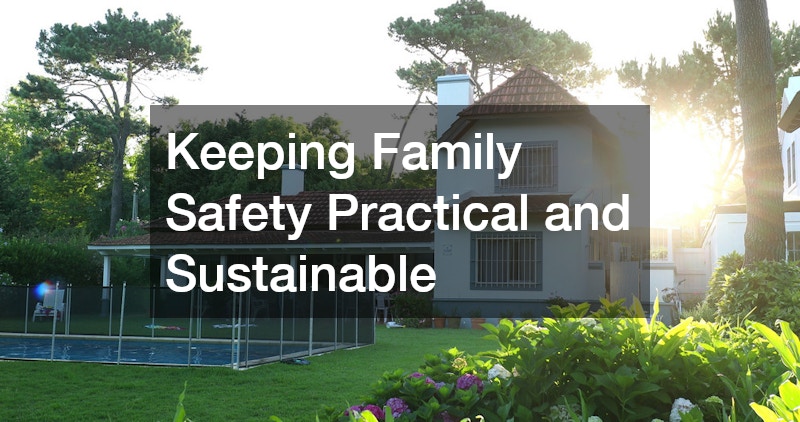
A safer home does not have to be spotless, expensive, or perfectly organized. Real family homes are busy. Shoes pile up by the door, children leave toys in unexpected places, and repairs sometimes have to wait their turn. The goal is not perfection. The goal is awareness.
When parents take a year-round approach, safety becomes less reactive. Instead of waiting for a fall, leak, breakdown, or storm problem, families learn to notice small risks early. A clearer walkway, a working alarm, a dry cabinet, a better-lit garage, or a secured bookshelf can make everyday life safer in ways that are easy to overlook.
The best place to start is with one area that affects daily routines. Check the entryway everyone uses. Walk through the bathroom after bath time. Look around the garage before the next school morning. Notice what feels cluttered, slippery, loose, dark, or unreliable.
Small improvements add up. With steady attention and practical habits, parents can create a home that supports their children’s independence, protects the family through changing seasons, and feels more peaceful to live in every day.