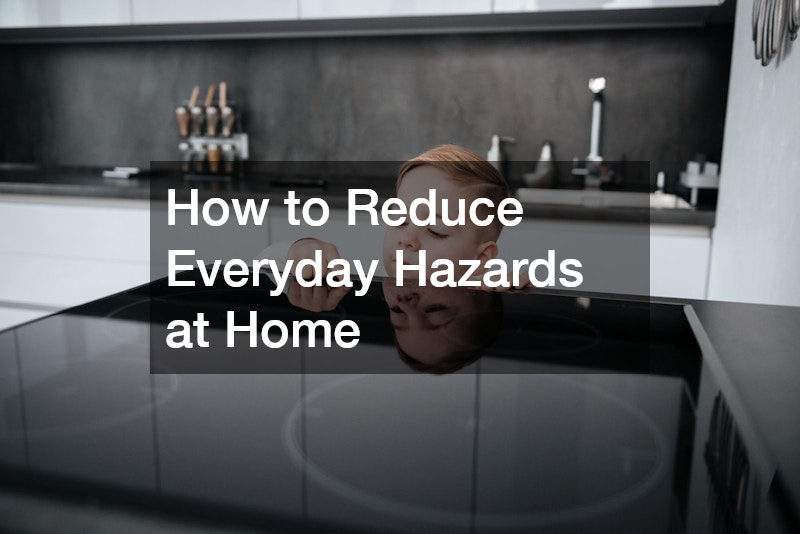
Everyday hazards at home are usually small and ordinary. They show up as a loose rug, a dim hallway, a slippery bathroom floor, a cluttered storage area, or a stair rail that moves slightly when someone grabs it. Because these problems feel familiar, families often stop seeing them.
For parents, those small risks matter. A child may run through the house with socks on. A tired adult may walk to the bathroom at night without turning on the light. Reducing hazards is not about making a home perfect. It is about making daily life safer, easier to navigate, and less likely to result in preventable injuries.
Start by thinking about how your family actually moves through the home. Where do people rush? Where do toys collect? Which spaces feel slippery, dark, crowded, or hard to use? The best safety improvements often come from noticing these patterns before small issues become bigger problems.
Inspecting Each Room With Fresh Eyes

Walk through each room slowly and look for risks you usually ignore. Check floors, windows, furniture placement, cords, lighting, and storage areas. Try to see the space from different perspectives: a crawling child, a curious toddler, a parent carrying groceries, or an older relative moving carefully across the room.
Windows should be part of this review. Cracked glass, loose locks, stuck frames, broken seals, or sharp edges can create safety and security concerns. If a window is difficult to open, does not lock properly, or has damaged glass, professional window repair services may be needed.
Visibility also matters. Dirty or streaked glass can make rooms feel dim, especially near stairs, play areas, and entryways. Hiring window cleaners may seem cosmetic, but clearer natural light can make it easier to spot toys, spills, cords, or other hazards.
Checking Details That Often Get Missed
A few details deserve extra attention:
- Move climbable furniture away from windows.
- Secure or shorten blind cords.
- Test window locks and latches.
- Remove clutter from walking paths.
- Anchor tall furniture to the wall.
- Check that rugs lie flat.
This walkthrough works best when repeated every few months. Homes change as children grow, furniture moves, seasons shift, and small repairs become more urgent.
Making Bathrooms Safer During Daily Routines
Bathrooms combine water, soap, hard flooring, sharp corners, electrical items, and limited space. That makes them one of the easiest places for everyday accidents to happen.
Start with traction. Use non-slip mats inside and outside bathing areas, but make sure they actually grip the floor. A bath mat that curls, bunches, or slides can become a hazard itself. Replace worn mats and keep floors dry.
A damaged shower enclosure can also increase risk. Loose doors, cracked panels, failing seals, or leaks can cause puddles and sharp edges. Even a small amount of water outside the shower can be dangerous.
Reducing Moisture Before It Spreads
Moisture control is part of bathroom safety. Run the exhaust fan during showers and leave it on afterward. Wipe down damp surfaces, replace failing caulk, and watch for stains, soft drywall, or musty odors.
If dark spots keep returning or the room smells damp even after cleaning, the issue may require mold remediation. Persistent moisture can affect indoor air quality and may point to a deeper leak or ventilation problem.
Keep medications, razors, cleaners, hair tools, and personal care products locked away or out of reach. Bathrooms often contain items that look ordinary to adults but can be dangerous for children.
Strengthening Stairs, Porches, and Raised Spaces
Falls often happen in transition areas like stairs, decks, porches, and entryways. These are places where people move quickly, carry things, or step from one surface to another.
Start with handrails. They should feel solid and easy to grip. Check indoor stairs for loose treads, worn carpet, poor lighting, and objects left on steps. Outdoor stairs need extra attention because rain, snow, leaves, algae, and temperature changes can make surfaces slick or unstable.
The right railing material can improve durability, grip, and weather resistance. Outdoor railings should hold up well in the local climate without becoming loose, splintered, rusted, or slippery.
Solving Common Fall Risks
A safer stair or porch area usually comes from fixing several small issues at once:
- Tighten loose rails and posts.
- Add non-slip treads where needed.
- Keep shoes, toys, leaves, and bags off the steps.
- Improve lighting near stairs and entryways.
- Repair cracked boards or uneven surfaces.
- Make sure rail openings are child-safe.
It also helps to address habits causing the hazards. If bags always pile up near the stairs, add hooks or a bench near the door. If porch steps get slippery, use a better mat and add motion-sensor lighting.
Keeping Indoor Temperatures More Reliable

Indoor temperature can become a safety issue, especially for babies, older adults, and people with health concerns. Rooms that are too hot, too cold, or poorly ventilated can affect comfort, sleep, and well-being.
Pay attention to uneven cooling. One room may feel fine while another stays warm. The system may run constantly without keeping up. Filters may clog quickly, or energy bills may climb without an obvious reason.
If an aging system breaks down often, cools unevenly, or cannot keep the home comfortable during hot weather, AC replacement may be worth considering as a long-term safety and comfort improvement.
Building Better Cooling Habits
Before assuming the whole system needs to be replaced, check the basics. Replace filters regularly. Keep vents open and unblocked. Move furniture away from registers. Make sure air returns are not covered by curtains, rugs, or toys.
Families should also have a heat plan. Know which rooms stay coolest, keep water available, and have a backup place to go during an outage or severe heat wave.
Managing Outdoor Risks Before They Move Indoors
Outdoor hazards can quickly affect indoor safety. Overgrown branches may fall onto roofs, walkways, or play areas. Sprinklers may overspray onto patios and create slippery spots. Poor drainage can send water toward the foundation or entryway.
Tree care is especially important after storms. Branches hanging over the house, driveway, play area, or walkway should be inspected regularly. Leaning trees, cracked limbs, or exposed roots may require a local tree service before the problem becomes dangerous.
Water management matters too. Sprinklers should water the yard, not soak paths, steps, or patios. If water pools near the home or creates slippery surfaces, an irrigation service can help correct drainage, repair leaks, or adjust coverage.
Looking at the Yard Like a Parent
Think about how children use the yard. Where do they run? Where do they climb? Which areas get muddy, slick, or uneven? Which branches hang low enough to hit someone?
Outdoor safety improvements can be simple:
- Trim branches near roofs, paths, and play areas.
- Clear leaves and debris from walkways.
- Add lighting to side yards and entry paths.
- Move play equipment away from hard surfaces.
- Store hoses away from walking areas.
- Check gates, fences, and latches.
The goal is to keep outdoor spaces usable, safe, and predictable for the family.
Maintaining Patios and Screened Spaces
Patios and screened areas often become family gathering places. Kids play there, pets rest there, and adults use them for meals, coffee, or quiet time. Because these spaces feel relaxed, damage can go unnoticed.
A torn screen may let in insects or allow a pet to push through. A door that does not latch may swing open unexpectedly. Loose frames, rusted hardware, or sagging panels can make the area less secure. Patio screen repair can help restore the space so it remains safe, comfortable, and usable.
Choosing Safer Outdoor Setups
Look at how the patio is used on a normal day. Are chairs stable? Do outdoor rugs curl at the corners? Is there a grill too close to a play area? Are garden tools, chemicals, or lighters stored within reach?
Arrange furniture so it does not tip easily. Keep grills, heaters, and fire pits away from children’s traffic paths. Store sharp tools, fuel, and chemicals in locked or high cabinets. Check for splinters, exposed nails, sharp metal edges, cracked tiles, and loose screws.
Organizing Storage Areas With Safety in Mind
Storage spaces often collect hazardous household items: tools, paints, fuels, ladders, bikes, sports gear, batteries, cleaning products, and heavy boxes. Over time, items get stacked wherever they fit, and the space becomes harder to move through safely.
Garages deserve special attention because they often combine vehicles, tools, chemicals, storage, and entry access. A child may be curious about a colorful container. A heavy box may sit too high. A ladder may lean unsecured against the wall.
Setting Up Safer Storage Zones
Start with the most dangerous items. Lock away chemicals, fuels, pesticides, sharp tools, and power equipment. Store heavy objects low and lightweight items higher. Secure shelves to wall studs. Use sturdy hooks for bikes, ladders, cords, and equipment.
Keep clear walking paths to doors, vehicles, and emergency supplies. No one should need to step over unstable boxes or squeeze between sharp tools to reach something important.
Garage doors should also be checked. Test sensors, keep remotes away from young children, and make sure the door opens and closes smoothly. If it shakes or reverses unpredictably, treat it as a safety issue.
Improving Lighting and Everyday Pathways
Many accidents happen because people cannot see clearly or move naturally through a space. A hallway that feels safe during the day may be risky at night. A rug that looks fine may slide when a child runs across it. A charging cord may become a tripping hazard in a dark bedroom.
Focus on the routes people use most. Hallways, stairways, bathrooms, bedrooms, kitchens, laundry rooms, and entryways should be easy to move through without stepping over clutter.
Fixing Movement Problems Simply
Add nightlights where people walk after dark. Use motion-sensor lights near doors, garages, and outdoor paths. Replace dim bulbs in task-heavy areas. Secure cords along walls instead of letting them cross floors. Add anti-slip pads under rugs or remove rugs that bunch up.
Storage can also solve movement problems. If shoes pile up near the door, add a basket or rack. If toys collect near the stairs, create a nearby bin. If backpacks block the hallway, install hooks at child height.
Practicing Safer Kitchen and Laundry Habits
Kitchens and laundry rooms are full of routine risks. Hot pans, sharp knives, appliance cords, detergents, glassware, spills, and heavy baskets all exist in spaces where parents are often multitasking.
In the kitchen, turn pot handles inward and use back burners when possible. Keep knives away from counter edges. Wipe spills immediately. Unplug small appliances when they are not in use. Keep cords from dangling where a child can pull them.
Children need clear boundaries during cooking. Instead of only saying “be careful,” create a specific safe zone. A child can help at a table or stay outside a marked cooking area when the stove is on.
Laundry areas need the same attention. Detergent pods, bleach, stain removers, and cleaning sprays should be stored high or locked away. Clean the lint trap after each dryer cycle and check the dryer vent periodically. Avoid leaving baskets on stairs or in narrow hallways.
Creating a Monthly Safety Rhythm
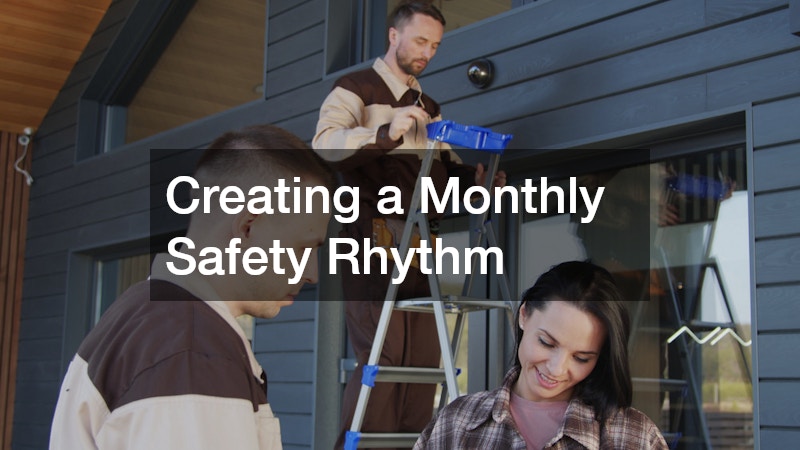
A one-time safety cleanup helps, but homes keep changing. Children grow. New items enter the house. Weather affects outdoor spaces. Small repairs become bigger if ignored. A monthly safety rhythm keeps problems from blending into the background.
Choose one day each month to walk through the most-used areas of the home. Focus on what has changed. Are there new clutter spots? Are the railings still tight? Are bathrooms staying dry? Are outdoor paths clear? Are chemicals and medications still secured?
Using a Simple Checkup Process
A monthly check can include:
- Testing smoke and carbon monoxide alarms
- Checking locks, windows, doors, and railings
- Looking for leaks, stains, odors, or moisture
- Clearing walking paths and exits
- Reviewing outdoor lighting and slippery areas
- Making sure dangerous items are stored safely
- Confirming that emergency supplies are easy to find
Keep a small repair list and divide it into urgent, soon, and later. Urgent items include active risks like loose railings, broken locks, leaks near electrical areas, or anything likely to cause injury.
Keeping Safety Manageable Over Time
A safer home is built through attention, habits, and timely repairs. It does not require fear or perfection. Most meaningful improvements come from noticing small hazards early and making practical changes before they become part of the background.
Start with the spaces your family uses most. Watch how people move through them. Notice where clutter gathers, where lighting feels weak, where surfaces become slippery, and where routines feel rushed. Then make changes that fit your real life.
Home safety changes as children grow and household needs evolve. A home that worked well last year may need different safeguards now. By building a simple rhythm of inspection, repair, and adjustment, families can reduce everyday hazards without turning daily life into a checklist.
The goal is a home that feels easier to live in: clearer paths, safer routines, better visibility, stronger barriers, and fewer preventable risks. Small improvements, made consistently, can give everyone in the household more confidence and comfort every day.