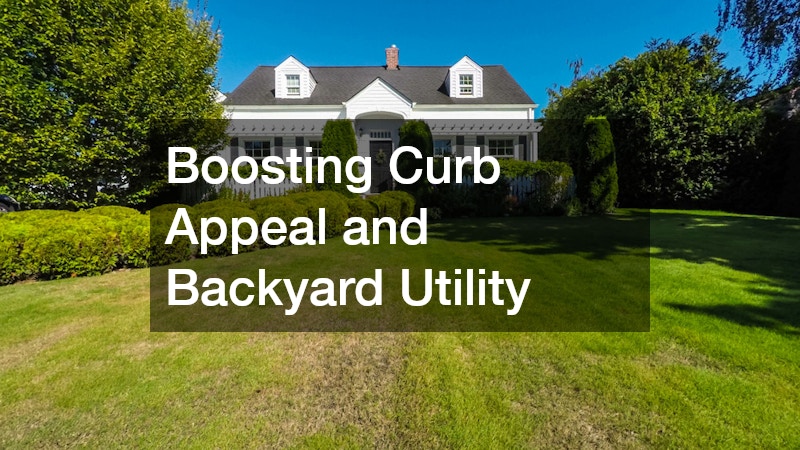
Your home is your largest financial asset, yet it is incredibly easy to fall into the trap of focusing entirely on the interior. Homeowners spend years agonizing over kitchen backsplashes, bathroom tiles, and open-concept floor plans while treating the surrounding property as an afterthought. Your yard, driveway, and walkways are not just the wrapper that your house came in; they represent a massive percentage of your property’s overall footprint and market value. Balancing aesthetic curb appeal with practical, everyday utility can feel overwhelming and expensive if done without a cohesive strategy. A beautiful front yard is meaningless if your driveway is crumbling, and an expansive backyard is wasted if it lacks functional storage or comfortable spaces to gather.
Laying the Foundation: Upgrading Your Front Approach

The entryway to your home sets the tone for everything that follows. It acts as a transitional space between the public world and your private sanctuary. When evaluating your front approach, you must look at it through two distinct lenses: safety and visual harmony. Minor cracks or uneven flagstones might seem trivial during a dry summer day, but they quickly transform into hazardous trip hazards during heavy rain or winter freezes.
When planning a structural upgrade for your property’s primary walkways, material selection is paramount. You want a surface that can withstand heavy foot traffic, resist shifting over time, and complement the architectural style of your home.
Actionable Strategies for Entryway Overhauls
- Assess Local Drainage First: Before pouring any material, evaluate how rainwater moves across your front yard. Shifting walks are almost always caused by water pooling beneath the base layers.
- Match Materials to Architecture: If you own a traditional colonial home, brick or cobblestone pavers offer a classic look. For modern or mid-century designs, large-scale geometric concrete slabs provide clean lines.
- Prioritize Excavation Depth: A truly durable pathway relies on what lies beneath. Ensure your project digs down at least four to six inches to accommodate a tightly compacted gravel and sand base layer.
Investing in a professional paving company ensures that the sub-grade preparation is handled with heavy-duty machinery, preventing the premature sinking and shifting that plagues DIY attempts. Furthermore, if you want to expand your front exterior into an inviting social area, extending your front porch into a courtyard can dramatically shift the dynamic of your neighborhood interactions. Consulting a concrete patio contractor allows you to create a seamless, level transition from your front door to a new decorative seating area, adding instant depth to your home’s facade.
Preserving and Perfecting Your Pavement
Your driveway takes a brutal beating day in and day out. It bears the weight of multi-ton vehicles, suffers through extreme temperature fluctuations, and handles constant exposure to automotive fluids. Despite this, pavement maintenance is one of the most frequently deferred home improvement tasks. Deferring this care is a costly mistake, as letting a paved surface degrade past a certain point means you will face a total tear-out rather than a simple surface restoration.
Asphalt is a flexible pavement, meaning it relies on its inherent elasticity to bend under the weight of traffic and adjust to temperature changes. Over time, UV rays from the sun bake out the essential oils that keep the material pliable. As it dries out, it turns from a deep, rich black to a faded gray, signaling that the surface has become brittle and susceptible to water penetration.
Essential Asphalt Maintenance Protocols
- Perform Seasonal Cleaning: Wash away road salt, motor oil, and gasoline spills immediately. These chemical agents dissolve the liquid asphalt binder, causing rapid degradation.
- Track the Crack Size: Hairline cracks under a quarter-inch wide can easily be filled with rubberized cold-pour fillers. Anything wider requires hot-tar application to prevent water from reaching the gravel base.
- Watch the Weather Window: Any liquid maintenance application requires a dry surface and a minimum temperature of fifty-five degrees Fahrenheit for at least twenty-four consecutive hours to cure properly.
Once water penetrates the sub-base of your driveway, it softens the underlying dirt. In colder climates, this water freezes, expands, and creates massive voids that collapse into potholes when driven over. Hiring a professional driveway sealing contractor every two to three years applies a protective barrier coat that locks out moisture and blocks harmful UV rays. For older driveways already showing signs of advanced wear, such as deep ruts or widespread spiderweb cracking, you will need comprehensive asphalt services to grind down the damaged top layer and install a fresh, structurally sound wearing course.
Creating Structural Flows with Advanced Landscaping

A truly functional yard requires a careful balance between the structural elements and the living elements. If your property consists entirely of grass, it often lacks definition and can suffer from severe erosion issues, especially if your lot features steep slopes. Conversely, a yard that is overly paved can feel cold, industrial, and uninviting. The magic happens when you use structural stone and masonry to tame nature, creating distinct “rooms” and functional zones.
Erosion control is often the primary driver behind major landscaping modifications. When heavy rains hit an unmanaged hillside, topsoil washes away, leaving behind ugly ruts and exposing weak root systems. By incorporating terraced walls, you break up the velocity of rushing water, allowing it to gently filter into the earth rather than stripping your landscape bare.
Design Principles for Ground Manipulation
- Incorporate Retaining Walls for Grade Transitions: Use interlocking concrete blocks or natural dry-stack stone to turn unusable slopes into flat, plantable terraces.
- Define Traffic Paths Intentionally: Use contrasting textures to tell guests exactly where to walk. A smooth stone path dictates movement, while soft grass invites relaxation.
- Incorporate Proper Filter Fabric: Always place heavy-duty geotextile fabric behind stone structures to prevent soil from washing through the cracks and destabilizing the wall.
The art of hardscaping allows you to build permanent, low-maintenance features like stone fire pits, retaining structures, and elegant steps that tie your entire yard together. However, once those heavy stone features are in place, you must revitalize the surrounding earth to support lush, healthy vegetation. Utilizing professional topsoil services ensures that the areas cleared or modified by heavy machinery are replenished with a screened, nutrient-dense soil blend that establishes strong root networks for new turfgrass or ornamental garden beds.
Reclaiming Space and Sunlight from Overgrowth

Over time, a yard can easily become a victim of its own success. Trees that were planted twenty years ago as small ornamental accents can grow into massive, looming canopies that completely dominate your property. While mature trees add undeniable value and beauty to a home, they also present significant structural risks and can choke out the sunlight needed for other plants to thrive.
When a canopy becomes too dense, it blocks sunlight from reaching the lawn below, leading to patchy, thin grass and moss infestations. Furthermore, dying or structurally compromised limbs pose a constant threat to your roof, gutters, and overhead utility lines during severe weather events. Managing this overgrowth requires a strategic approach that balances safety with environmental health.
Property Reclamation and Safety Checks
- Inspect the Root Flare: Ensure that the base of your large trees isn’t buried under excess mulch or soil, which smothers the roots and invites wood-rotting fungi.
- Look for Canopy Dieback: Dead branches at the very top of a tree are an early warning sign that the root system is failing or struggling to transport nutrients.
- Audit Your Irrigation Distribution: Ensure your watering system is actually hitting your plants and turf efficiently without spraying fences or siding.
- Identify Deep Trunk Cavities: Hollow spots or large holes along the main trunk signal internal rot and require a professional structural assessment.
- Check for Fungi at the Base: Mushroom growth or shelf fungi around the root flare indicates active root decay that needs immediate analysis.
- Watch for Cracking in Main Forks: Structural splits where major limbs meet the trunk pose an immediate failure risk, requiring swift crown reduction or removal.
When dealing with massive, dead, or precariously leaning trees, attempting to cut them down yourself with a consumer chainsaw is a recipe for property damage or severe injury. Utilizing an insured, professional tree removal service is the only safe way to dismantle large timber near residential structures. Once the canopy is cleared and sunlight can finally reach the ground again, you can optimize your watering routine by moving away from a tangled, inefficient sprinkler hose and setting up a precisely calibrated, automated watering layout that target-delivers moisture right to the root zones of your newly exposed lawn.
Elevating Your Backyard Entertainment Zone
Once your property’s grade is corrected and the overgrowth is cleared, you can focus on the crown jewel of backyard utility: the entertainment zone. An outdoor living space should function as a natural extension of your home’s interior floor plan. When done correctly, stepping out your back door should feel like walking into a second living room, complete with distinct areas for cooking, dining, and lounging.
The classic debate for elevated outdoor platforms centers around material longevity versus initial cost. Traditional wood structures offer unmatched natural beauty and a lower upfront investment, but they demand annual staining, sealing, and sanding to prevent rot and splintering. Modern composite materials, while more expensive initially, offer a virtually maintenance-free lifetime of use, resisting fading, warping, and insect damage.
Engineering a Perfect Social Space
- Map the Sun’s Path: Track how light hits your backyard throughout the day. This dictates where you should place seating areas versus where you might need a pergola or awning for shade.
- Plan for Utility Connections: If you ever want an outdoor kitchen or a fire feature, run your gas lines, electrical conduits, and water pipes before building any permanent overhead platforms.
- Keep Foot Traffic Flowing: Ensure there is at least three feet of clearance around dining tables and lounge chairs to allow guests to move comfortably without bumping into walls or railings.
Designing and framing an elevated platform requires a deep understanding of local building codes, frost depth requirements, and joist spans to ensure structural integrity. Partnering with an experienced deck builder ensures that your project is fully permitted, safely anchored with concrete footings, and engineered to support the heavy weight loads of large gatherings or premium features like hot tubs.
Smart Storage and Organization Solutions
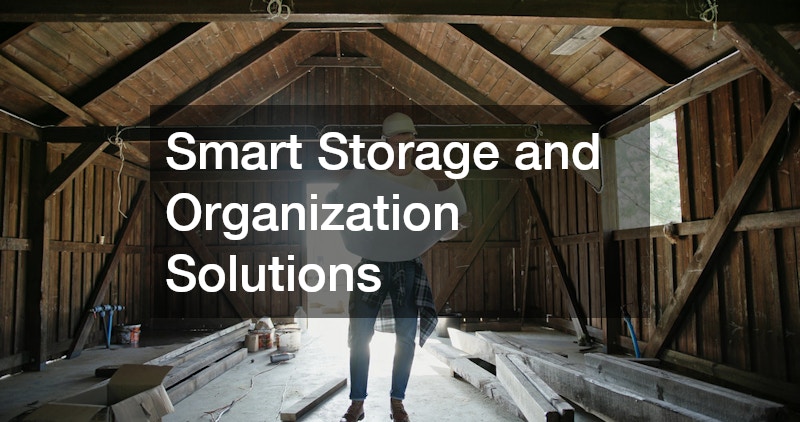
A beautiful, functional yard can quickly be ruined by clutter. Lawnmowers, wheelbarrows, bags of fertilizer, and seasonal patio furniture have a habit of piling up in garages or sitting out in plain view, detracting from the pristine environment you have worked so hard to create. To maintain true backyard utility, you need a dedicated, weather-tight storage strategy.
When adding an auxiliary building to your property, placement is everything. You want the structure to be easily accessible so you don’t have to drag heavy equipment across your entire lawn, but you also don’t want it to dominate your main view from the house or block natural light.
Storage Optimization and Foundation Strategy
- Never Build Directly on Dirt: A structure placed on raw ground will absorb moisture from the earth, rotting the floor joists and rusting your stored tools within a few seasons.
- Go Vertical with Internal Storage: Maximize a small footprint by installing overhead lofts for seasonal items and heavy-duty wall tracks to hang long-handled tools.
- Match Exterior Aesthetics: Paint your auxiliary building the same color as your primary residence and use matching shingles to make it look like an intentional architectural choice rather than an afterthought.
Investing in a high-quality storage shed gives you a secure, organized hub to house all your maintenance gear out of sight. Before delivery or construction begins, make sure to clear a flat site and lay down a level, compacted crushed-stone foundation pad. This ensures proper drainage away from the base of the structure, protecting your investment for decades to come.
Transforming your home’s exterior property from a simple plot of land into a highly functional, visually stunning ecosystem requires time, deliberate planning, and a willingness to invest in structural integrity. By systematically tackling everything from your front entrance and driveway to your soil health, canopy management, and backyard entertainment zones, you create an environment that significantly elevates your quality of life while protecting your financial investment.
Do not try to conquer every zone in a single weekend. Take a look at your property, identify the areas where deferred maintenance or poor layout choices are causing the most friction, and establish a logical project timeline. With a clear strategy and a focus on building things to last, you can unlock the full potential of your home’s outdoor footprint.