Maintaining a home throughout the year is more than just routine cleaning; it’s about preserving comfort, safety, and long-term value. Seasonal maintenance helps prevent emergencies, reduces costly repairs, and ensures that every system operates efficiently. By planning carefully and addressing critical areas like heating, cooling, plumbing, electrical systems, and garage doors, homeowners can create a safer, more comfortable living environment.
A proactive approach allows for strategic scheduling, preventing overlapping projects and minimizing disruption to daily life. Seasonal planning is particularly important for systems that endure heavy use during certain times of the year, such as heating units in winter or air conditioning in summer. The goal is to stay ahead of potential problems, extend the lifespan of essential systems, and reduce unnecessary expenses.
In addition, careful planning allows homeowners to budget effectively, prioritize high-impact maintenance, and coordinate professional services efficiently. Keeping detailed records of inspections, repairs, and upgrades ensures that each system is monitored consistently, helping to detect patterns or recurring issues. By addressing maintenance proactively, homeowners not only protect their property but also enhance energy efficiency, improve safety, and maintain a comfortable living environment for family and guests throughout the year. This guide provides practical tips and insights for maintaining key components of your home, empowering homeowners to coordinate professionals effectively and achieve a well-maintained, efficient, and safe home year-round.
Assess and Plan Your Seasonal Maintenance Schedule
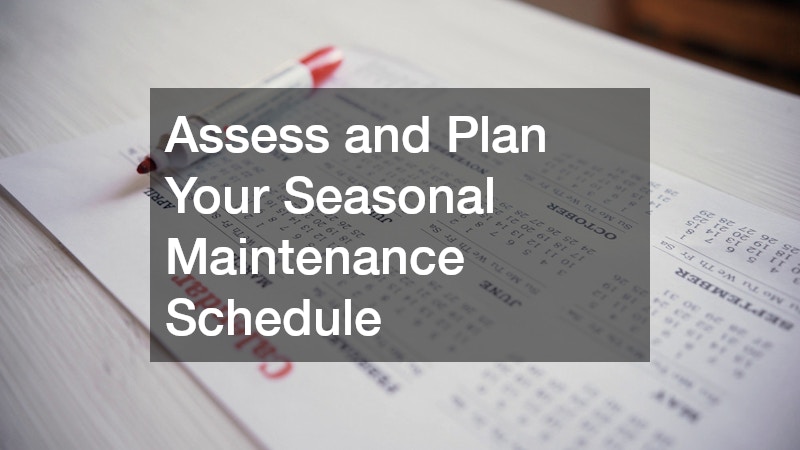
Creating a structured maintenance schedule is critical for a smooth and efficient year-round upkeep plan. Start by identifying which systems and areas of the home require attention during each season. For example, heating and furnace units should be inspected and serviced before winter, while air conditioning and cooling systems benefit from spring tune-ups.
Proper scheduling allows homeowners to combine tasks efficiently, such as pairing electrical service inspections with heating maintenance or coordinating plumbing repair alongside HVAC checkups. Keeping a detailed calendar ensures that seasonal maintenance is not overlooked and reduces the risk of emergency interventions that can be costly and disruptive.
Tips for effective seasonal planning:
- Make a checklist for each system and area of the home.
- Track the last service date for HVAC, plumbing, and electrical systems.
- Coordinate professional visits to reduce multiple service trips.
- Budget for both routine upkeep and unexpected repairs.
- Adjust priorities based on the age and condition of each system.
By taking a proactive approach, homeowners can prevent minor issues from escalating into costly emergencies and maintain consistent comfort throughout the year.
Heating and Furnace Care Before Winter
Winter brings significant strain to home heating systems, making inspections and repairs critical. Furnaces require regular maintenance to operate efficiently and safely. Scheduling heating repair or furnace repairs before cold weather sets in ensures that the system is reliable when it’s needed most.
Key maintenance steps include:
- Cleaning or replacing air filters to maintain airflow.
- Checking thermostats for proper function.
- Inspecting ducts for leaks or blockages.
- Scheduling professional furnace repairs for any worn components.
Working with a heating repair specialist or local HVAC contractor is recommended for thorough inspections, ensuring safety, and preventing carbon monoxide risks. Additionally, proactive maintenance helps reduce energy costs by improving system efficiency and avoiding sudden breakdowns in the middle of winter. By planning these steps ahead of time, homeowners can enjoy a warmer, safer, and more comfortable environment throughout the season.
Air Conditioning and Cooling Maintenance for Summer
Summer heat puts stress on air conditioning systems, making routine service essential. Scheduling AC repair service or visiting an AC repair contractor before the hottest months helps maintain comfort and prevents breakdowns. Regular inspections ensure refrigerant levels are correct, filters are clean, and components function optimally.
Key points for air conditioning service include:
- Cleaning and inspecting condenser coils.
- Checking refrigerant levels and adjusting if necessary.
- Ensuring fans, compressors, and thermostats are working efficiently.
- Scheduling repairs proactively to prevent costly summer emergencies.
Regular maintenance not only improves energy efficiency but also prolongs the life of the system. Professional air conditioning service provides peace of mind, allowing homeowners to enjoy consistent indoor temperatures without the worry of sudden failures. By taking preventive measures, families can stay comfortable and reduce utility costs throughout the season.
Plumbing System Checks and Emergency Preparedness
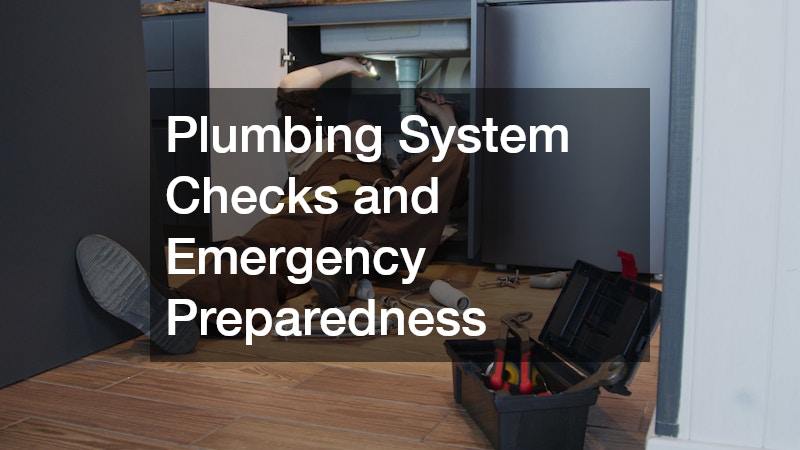
Plumbing issues often appear unexpectedly, but proactive inspection can prevent serious damage. Regular maintenance and timely plumbing repair keep water systems functional and avoid leaks, pipe bursts, or water damage. Coordinating with qualified plumbers ensures that repairs are thorough and long-lasting.
Homeowners should also inspect faucets, toilets, and exposed pipes for early signs of corrosion or wear. Checking water pressure and monitoring for slow drains can indicate hidden problems before they escalate. Maintaining a list of trusted plumbing professionals and knowing emergency shut-off procedures ensures a quick response during urgent situations, protecting both property and household safety.
Key steps for plumbing upkeep:
- Inspect visible pipes for leaks or corrosion.
- Check water pressure and drain flow throughout the home.
- Schedule preventive repairs before seasonal temperature changes, such as frozen pipes in winter.
- Replace worn fixtures and ensure faucets, sinks, and toilets function correctly.
Early detection of plumbing problems protects structural integrity and avoids costly repairs. By keeping the system in good condition and maintaining a relationship with trusted plumbers, homeowners reduce the risk of emergencies and ensure continuous access to clean water throughout the year.
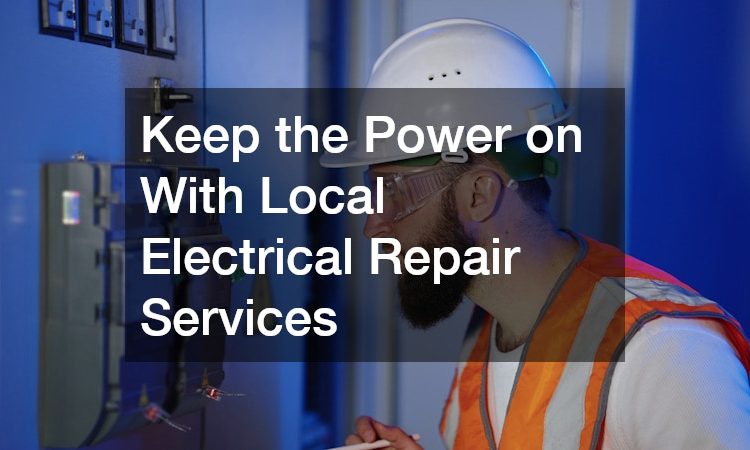
Electrical System Inspections for Safety
Electrical safety is a critical component of home maintenance. Regular inspections help prevent hazards such as fires, outages, or appliance damage. Scheduling professional electrical service ensures that all circuits, outlets, and breaker panels function correctly.
In addition to safety, well-maintained electrical systems improve energy efficiency and reduce the risk of costly repairs. Homeowners should also check wiring for signs of wear, test smoke detectors, and inspect surge protection devices. Coordinating electrical inspections with other seasonal maintenance, such as HVAC or plumbing checks, streamlines upkeep and ensures the entire home remains safe and reliable throughout the year.
Tips for electrical upkeep:
- Test all outlets and GFCI devices regularly.
- Check for flickering lights or frequent breaker trips.
- Replace damaged wiring and ensure proper grounding.
- Coordinate inspections with other seasonal maintenance tasks for efficiency.
Routine electrical maintenance improves safety, reduces the risk of costly repairs, and allows other systems like HVAC and appliances to operate efficiently. A proactive approach ensures the home remains safe, comfortable, and compliant with current safety standards.
Garage Door Maintenance and Repairs
Garage doors are essential for home security, convenience, and energy efficiency. Regular inspection and maintenance prevent costly emergencies and ensure smooth operation. Scheduling garage door repair before heavy-use periods, such as winter snow or summer storms, helps avoid breakdowns.
Homeowners should also check the alignment of the tracks, test the automatic opener, and ensure safety sensors are functioning properly. Lubricating rollers, hinges, and springs extends the lifespan of moving parts. Addressing minor issues early, such as squeaks or uneven movement, prevents larger mechanical failures and maintains reliable access to the garage throughout the year.
Key steps for garage door upkeep include:
- Inspecting tracks and rollers for debris or damage.
- Testing door sensors and automatic openers.
- Lubricating moving parts for smooth operation.
- Tightening loose hardware and checking spring tension.
- Scheduling professional repairs for any major mechanical issues.
Proper maintenance also enhances safety, as worn components or malfunctioning sensors can cause accidents. By keeping the garage door in optimal condition, homeowners protect both property and occupants while maintaining energy efficiency.
Roofing Inspections and Minor Repairs
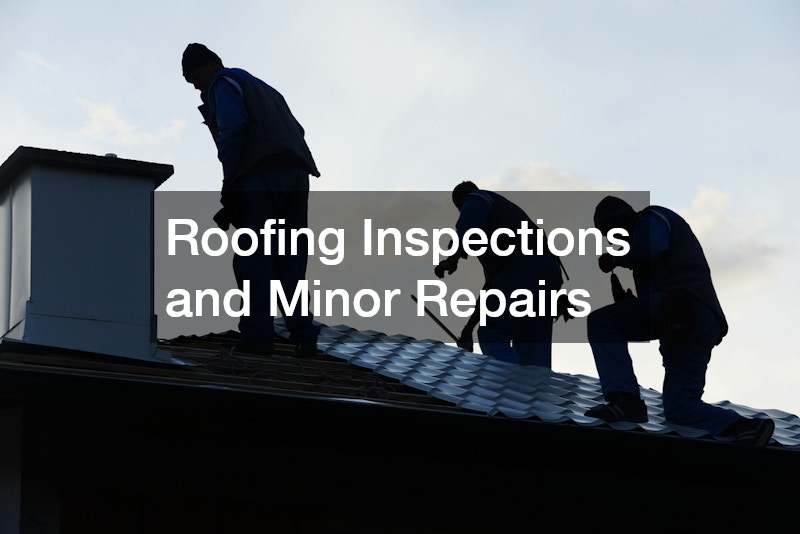
Roofing is a critical element of home protection, shielding against water, wind, and extreme temperatures. Routine inspections prevent leaks and extend the life of the roof. Local roofers or roofing contractors can identify damage early and recommend appropriate roof repair services.
Homeowners should also check for missing or damaged shingles, inspect flashing around chimneys and vents, and clear debris from gutters. Addressing small issues promptly prevents water intrusion and structural damage. Seasonal inspections, especially after storms or heavy snow, help maintain the roof’s integrity, protect interior spaces, and prolong the overall lifespan of the home’s exterior envelope.
Tips for maintaining a healthy roof include:
- Inspecting shingles, flashing, and gutters for damage.
- Checking for water stains inside the attic or ceilings.
- Scheduling minor repairs before they escalate into larger problems.
- Coordinating roofing inspections after storms or seasonal changes.
Early maintenance helps avoid water intrusion, structural damage, and costly emergency repairs. A proactive approach also ensures that other systems, like HVAC and plumbing, remain unaffected by leaks or water exposure.
Coordinating Professional Services Efficiently
Managing multiple home maintenance projects can be challenging without careful coordination. Combining visits from local HVAC contractors, plumbers, roofers, and electrical service professionals saves time and reduces disruption.
Homeowners should create a detailed schedule that maps out each system’s maintenance needs across the year. Communicating clearly with each professional about timelines and priorities helps avoid conflicts or overlaps. Keeping records of past services, warranties, and invoices ensures that each contractor is aware of previous work. Efficient coordination not only saves time and money but also ensures that all systems are properly maintained, reducing the risk of unexpected failures and improving overall home performance.
Tips for efficient service coordination:
- Create a maintenance calendar with seasonal priorities.
- Track completed services and upcoming inspections for each system.
- Schedule multiple services on the same day when possible.
- Maintain clear communication with contractors to prevent overlap or delays.
- Keep records of warranties and receipts for all services performed.
Coordinating professionals ensures that each system is addressed timely manner, reducing downtime and allowing homeowners to manage costs and effort effectively. A strategic plan also prevents conflicts between service providers.
Tips for Year-Round Efficiency and Cost Savings
Maintaining home systems proactively not only ensures comfort but also reduces utility bills and repair expenses. Energy-efficient upgrades and regular maintenance are key to maximizing efficiency.
Homeowners should regularly check and clean HVAC filters, inspect insulation and weather stripping, and seal any gaps around windows or doors to prevent energy loss. Scheduling routine service for heating, cooling, and plumbing systems keeps them operating at peak performance. Additionally, monitoring energy usage, upgrading to energy-efficient appliances, and maintaining garage doors and roofing integrity all contribute to long-term savings while improving the overall comfort and reliability of the home.
Efficiency strategies include:
- Regularly servicing heating and air conditioning systems.
- Scheduling HVAC repair and AC repair contractor visits proactively.
- Monitoring plumbing for leaks and addressing issues promptly.
- Ensuring electrical circuits are functioning properly to prevent energy waste.
- Performing seasonal checks on garage doors and roofing systems.
Consistent maintenance extends the life of major systems, improves safety, and enhances overall comfort. Homeowners who implement these strategies can enjoy predictable expenses, fewer emergencies, and a home that operates smoothly year-round.
Proactive home maintenance is essential for preserving comfort, safety, and long-term value. By systematically inspecting heating systems, air conditioning units, plumbing, electrical circuits, garage doors, and roofing, homeowners can prevent emergencies and avoid costly repairs. Engaging professional services, such as HVAC contractors, AC repair specialists, plumbers, and local roofers, ensures that repairs and inspections are performed safely and efficiently.
Strategic coordination of services allows multiple systems to be addressed without unnecessary disruption, while regular seasonal checkups extend the lifespan of each component. Maintaining a detailed calendar and tracking completed work helps homeowners plan ahead, budget effectively, and ensure that all systems operate optimally throughout the year.
In addition, proactive maintenance enhances the overall comfort and functionality of the home. Well-maintained systems reduce energy waste, prevent structural damage, and contribute to a healthier indoor environment. Homeowners who invest time and resources into consistent upkeep also enjoy greater peace of mind, knowing that potential hazards are addressed before they escalate.
Moreover, a proactive approach increases the home’s resale value and appeal. Future buyers are more likely to be confident in a property that has been consistently maintained, with documented repairs and inspections. Consistent upkeep also allows homeowners to implement energy-efficient upgrades, integrate smart home solutions, and adapt their systems as technology and environmental conditions evolve. By combining preventive inspections, professional expertise, careful planning, and thoughtful upgrades, a home remains safe, efficient, resilient, and adaptable, providing reliable performance and long-term satisfaction for every occupant.